
How to Practice Speaking Spanish in a Relaxed Environment
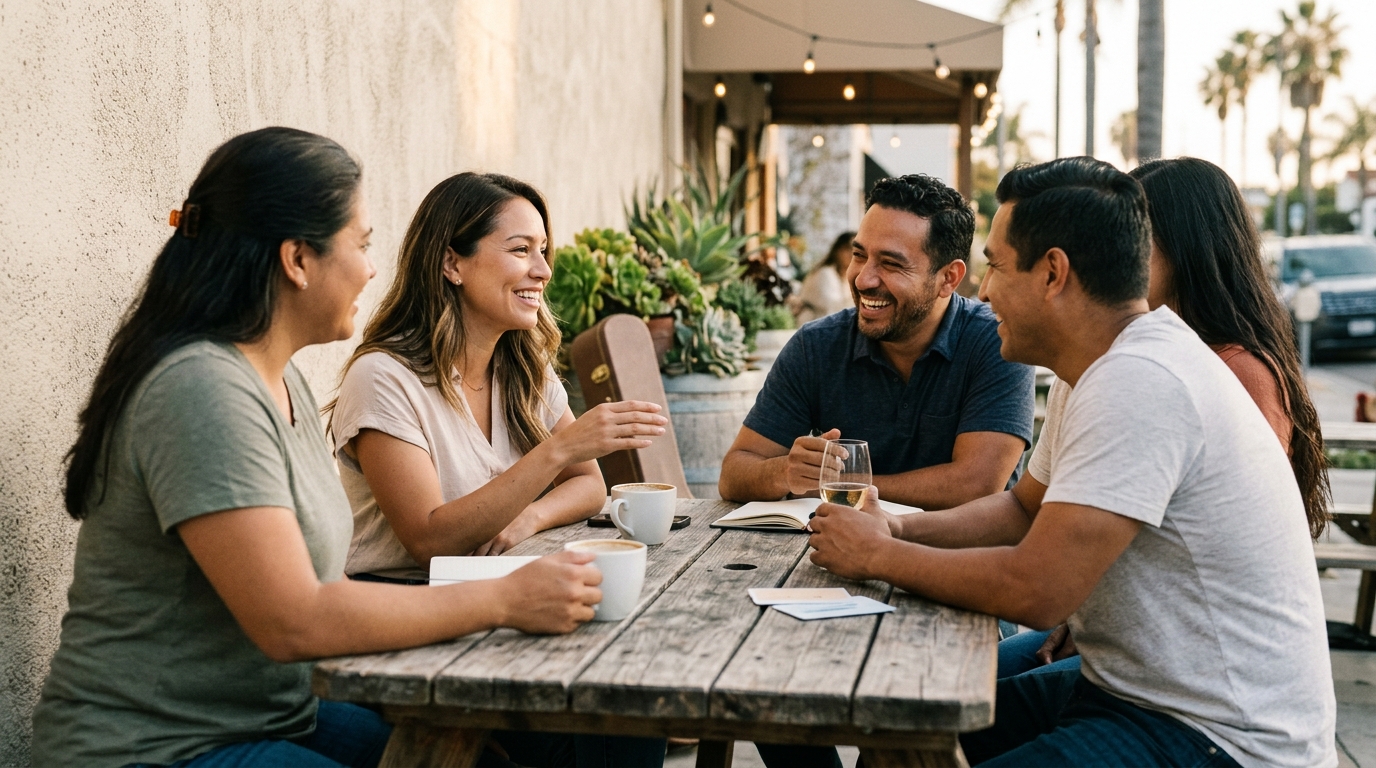
Learning Spanish is one thing. Actually opening your mouth and speaking it is another challenge entirely. Many learners spend years studying grammar and vocabulary but freeze the moment they need to hold a real conversation. The good news? You do not need to white-knuckle your way through stiff classroom drills. A relaxed environment is one where learners feel safe to make mistakes, receive supportive feedback, and build confidence through genuine conversation. In this guide, you will discover practical ways to practice speaking Spanish in settings that feel more like a good time with friends than a final exam.
Why Speaking Practice Matters More Than You Think
Research from the University of Wisconsin-Madison found that language learners who practice speaking outperform those who rely on comprehension exercises alone. Speaking activates vocabulary, grammar, and pronunciation simultaneously, creating stronger memory retention than passive study.
According to Sanako, regular speaking practice builds neural pathways that strengthen memory retention and transforms passive knowledge into active mastery. Put simply, you cannot become a confident speaker without actually speaking.
What a Relaxed Learning Environment Actually Looks Like
A relaxed learning environment is a space where mistakes are treated as a natural part of progress rather than something to fear. It is the opposite of a high-pressure classroom that relies on tests, grades, and correction-heavy instruction.
At Pura Buena Onda, this philosophy has been central for 17 years. Students practice speaking Spanish with other human beings, receive real-time corrections, and are guided to sound more natural by experienced, caring teachers. The experience has been compared to happy hour with friends, where you laugh, you learn, and you build trust with the people around you.
Key Traits of a Relaxed Spanish Class
- Non-judgmental atmosphere that encourages risk-taking
- Small group sizes so everyone gets speaking time
- Experienced teachers who provide gentle, real-time feedback
- Conversation-first approach rather than textbook drills
6 Practical Ways to Practice Conversational Spanish
1. Join Small-Group Conversation Classes
Small-group Spanish classes with 3 to 6 students give you ample time to speak while also learning from your peers. This format balances individual attention with the social energy of group conversation.
2. Try a Speaking Challenge
Daily speaking prompts push you to practice consistently. Programs like PBO's Spill the Chisme challenge use voice notes and WhatsApp to create a speaking gym where written responses are not allowed.
3. Book Private or Semi-Private Lessons
If group settings feel intimidating at first, private Spanish lessons let you set the pace and focus on your specific goals. Semi-private options offer a middle ground with a partner or friend.
4. Immerse Yourself in Spanish Media
Listen to Spanish podcasts, watch shows with Spanish subtitles, and then talk about what you consumed. This bridges listening input with speaking output.
5. Use Language Exchange Apps
Apps like Tandem or HelloTalk connect you with native speakers for free conversation practice. While useful, these lack the structured feedback a trained teacher provides.
6. Attend Cultural Events
Look for local or virtual events where Spanish is spoken. These real-world interactions build confidence you simply cannot get from a textbook.
Group Classes vs. Private Lessons: Which Is Right for You?
| Feature | Small-Group Classes | Private Lessons |
|---|---|---|
| Class size | 3-6 students | 1 student |
| Speaking time per student | Moderate | Maximum |
| Social interaction | High | Low |
| Personalization | Moderate | Fully customized |
| Best for | Building confidence in conversation | Targeted skill development |
| Typical session length | 90 minutes | 60 minutes |
Many learners start with private lessons and transition to group conversation classes once they feel ready. Others jump straight into groups and thrive. There is no single right answer.
How to Overcome Speaking Anxiety
Foreign language classroom anxiety (FLCA) is a well-documented phenomenon. Research shows that higher levels of FLCA can predict whether a student decides to continue studying a language at all. That makes the learning environment critically important.
Here are strategies that help:
- Embrace mistakes. As the American Council on the Teaching of Foreign Languages (ACTFL) notes, mistakes are steps toward becoming a more proficient speaker and a more resilient learner.
- Start with low-stakes settings. Voice notes, journaling out loud, or talking to yourself in Spanish all count as practice.
- Choose a supportive community. A school like Pura Buena Onda believes in community, mistakes, and fun because that is how real learning happens.
- Set small goals. Aim for five minutes of speaking per day, then build from there.
Key Takeaways
- Speaking practice is the fastest path to conversational fluency and strengthens all other language skills.
- A relaxed environment reduces anxiety and keeps learners engaged long-term.
- Small-group classes (3-6 students) balance speaking time with peer interaction.
- Private lessons provide maximum personalization for targeted improvement.
- Daily speaking habits, even five minutes, compound into significant progress.
- Choosing a supportive, non-judgmental community is just as important as choosing the right curriculum.
- Research consistently shows that production practice outperforms passive comprehension study.
Frequently Asked Questions
Do I need to know some Spanish before joining a conversation class?
Not necessarily. Many schools, including Pura Buena Onda, offer beginner-level group classes designed for students with little or no experience. Teachers adjust the pace to meet you where you are.
How many hours per week should I practice speaking Spanish?
Even two to three hours of guided conversation practice per week can produce noticeable improvement within a few months, especially when combined with daily self-practice like voice notes or thinking out loud in Spanish.
Are online Spanish classes as effective as in-person ones?
Yes. All of Pura Buena Onda's classes are held online via video, and the conversational format translates well to virtual settings. The key factor is live interaction with a real teacher, not the medium.
What is the best class size for practicing spoken Spanish?
Groups of 3 to 6 students tend to be ideal. This size ensures everyone gets meaningful speaking time while still benefiting from the energy and diversity of group conversation.
How do I know which level I am?
Pura Buena Onda offers a comprehensive evaluation that includes over 90 minutes of conversation and a detailed report on your strengths and weaknesses.
Can I cancel my membership if it is not a good fit?
Yes. PBO memberships are month-to-month with no contracts, so you can cancel at any time without penalty.
What makes conversational classes different from traditional Spanish courses?
Conversational classes prioritize speaking and listening over textbook exercises. Instead of memorizing verb conjugation charts, you practice using those verbs in real dialogue with real people.
Is it normal to feel nervous about speaking Spanish?
Absolutely. Speaking anxiety is one of the most common barriers language learners face. The right environment and a supportive teacher make all the difference in moving past that initial discomfort.
Start Practicing Spanish in a Space That Feels Like Home
You do not need to be perfect to start speaking Spanish. You just need a place where it is safe to try. Contact Pura Buena Onda today to learn about group classes, private lessons, and speaking challenges that will get you talking from day one. Learning Spanish does not have to feel like work. With the right environment, it feels like connection.