
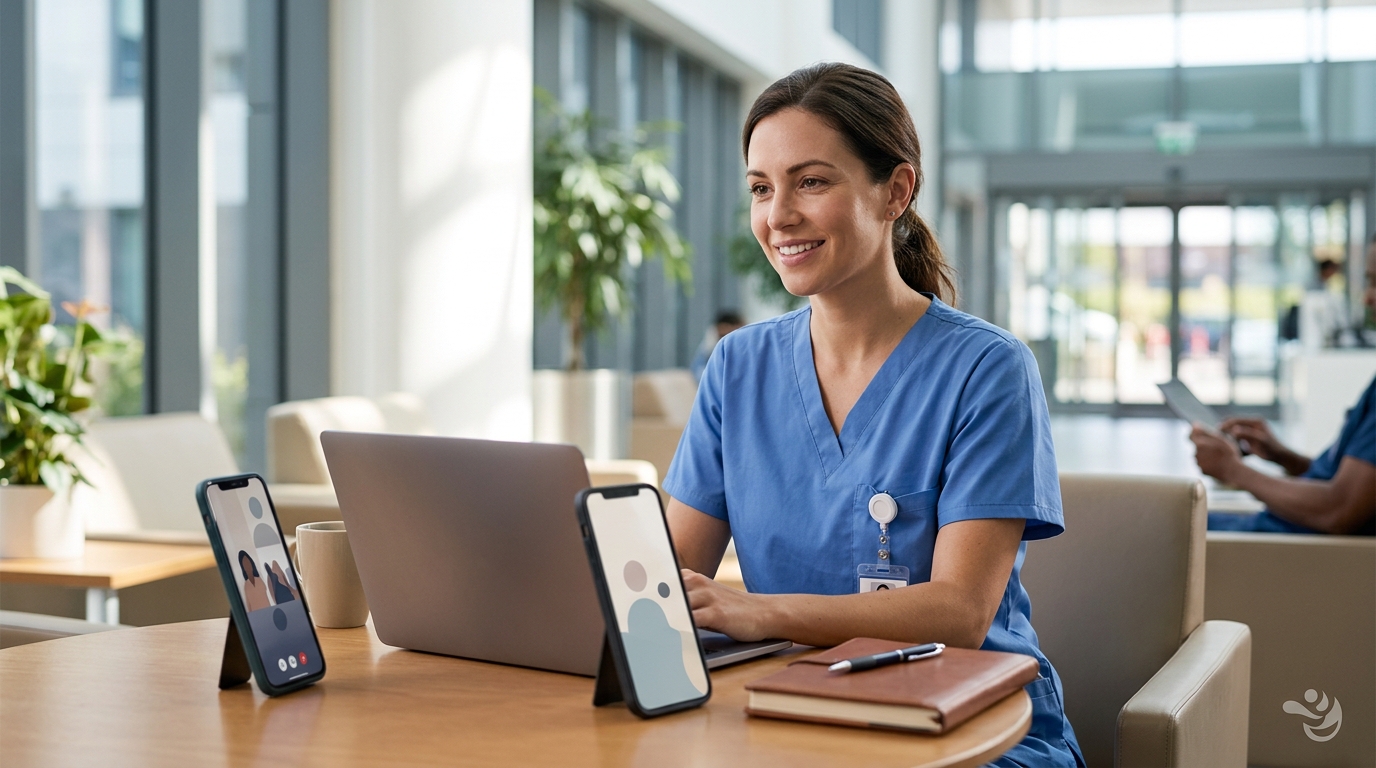
Healthcare professionals can find specialized conversational Spanish classes through online language schools that offer medical Spanish tutoring and clinical communication practice. Pura Buena Onda provides 100% online instruction for learners anywhere, focusing on real-world dialogue rather than textbook drills. This guide covers medical Spanish courses and clinical communication practice to help you build the language skills needed for patient care.
Medical Spanish Courses
Medical Spanish is a specialized branch of language learning that focuses on the vocabulary, terminology, and dialogue patterns used in clinical settings. For healthcare providers, this goes far beyond basic greetings. It involves understanding how to explain symptoms, describe procedures, and navigate consent forms. Traditional language apps often fail here because they teach generic phrases like "the dog eats an apple" rather than "the patient reports pain in the lower abdomen."
Why General Classes Fall Short
General conversation classes are excellent for social fluency but rarely cover the specific lexicon of medicine. A doctor or nurse needs to know the difference between "dolor" (pain) and "malestar" (malaise) in a clinical context. Pura Buena Onda offers specialty private tutoring in Medical Spanish, allowing professionals to tailor their learning to their specific role. Whether you are a physician, a nurse, a therapist, or an administrative staff member, the curriculum can be adjusted to match your daily interactions.
Online Flexibility for Busy Schedules
Healthcare professionals often work irregular hours, including nights and weekends. Pura Buena Onda operates 100% online, making it accessible to anyone, anywhere. You do not need to live in San Diego or travel to a physical campus. All instruction is delivered via Zoom, allowing you to attend classes from your home, a quiet office corner, or even during a break shift. This flexibility is critical for maintaining consistency, which is the most important factor in language acquisition.
Clinical Communication Practice
Clinical communication practice is the active application of language skills in simulated or real patient interactions. Knowing the words is only half the battle; the other half is delivering them with empathy, clarity, and cultural sensitivity. In a high-stress environment, hesitation can lead to misunderstandings. Practice allows you to build muscle memory for difficult conversations, such as breaking bad news or explaining complex treatment plans.
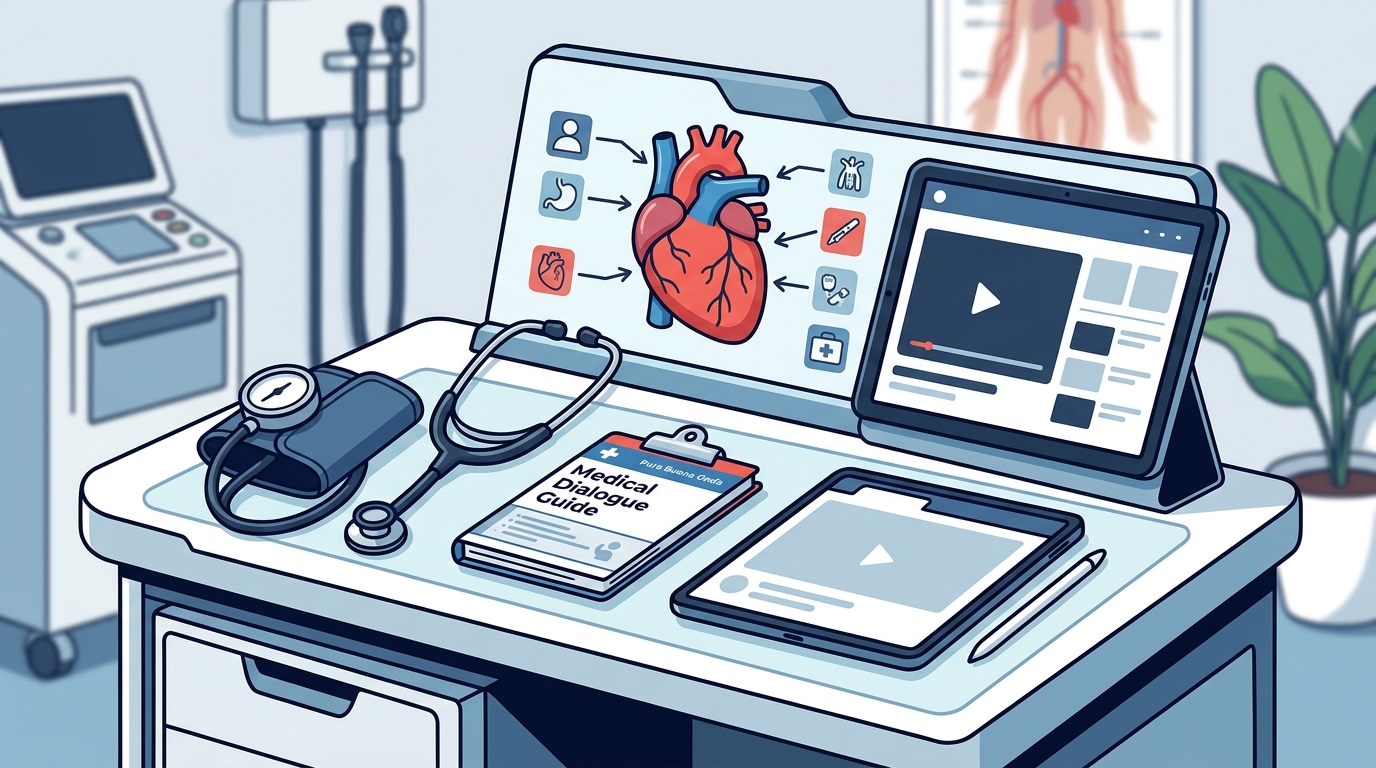
The Role of Real-Time Feedback
One of the biggest barriers to fluency is the fear of making mistakes. In a traditional classroom, you might wait days for feedback on a recorded assignment. At Pura Buena Onda, you receive real-time corrections from experienced native-speaking teachers. This immediate feedback loop helps you adjust your pronunciation and grammar on the spot. It is a safe, non-judgmental environment where mistakes are viewed as learning opportunities, not failures.
Building Cultural Competence
Language is deeply tied to culture. Effective clinical communication requires an understanding of cultural norms regarding health, family dynamics, and respect. Pura Buena Onda’s teachers come from various regions of Latin America and Spain, bringing diverse cultural perspectives to the classroom. This exposure helps you navigate the nuances of patient-provider relationships, ensuring that your communication is not just grammatically correct, but also culturally appropriate and empathetic.
Key Takeaways
- Medical Spanish is a specialized field that requires specific vocabulary and dialogue patterns not covered in general language apps.
- Pura Buena Onda offers 100% online classes, providing the flexibility needed for healthcare professionals with irregular schedules.
- Clinical communication practice involves simulating real patient interactions to build confidence and reduce hesitation.
- Real-time feedback from native-speaking teachers is essential for correcting pronunciation and grammar errors immediately.
- Cultural competence is a critical component of effective clinical communication, helping providers connect with diverse patient populations.
- Consistency is more important than intensity; regular, short practice sessions yield better long-term results than sporadic cramming.
- Specialty tutoring in Medical Spanish allows for a personalized curriculum tailored to your specific role in the healthcare system.
Frequently Asked Questions
Do I need prior Spanish knowledge to start medical Spanish classes?
No, prior Spanish knowledge is not required to join beginner classes. Pura Buena Onda offers eight different levels, from absolute beginner to advanced. You will start with a level assessment to ensure you are placed in the right group for your current skill level.
Are the classes held in person?
No, all instruction is 100% online. Pura Buena Onda is based in San Diego, CA, but its classes are open to anyone, anywhere, via Zoom. You do not need to travel to attend.
How many students are in a small-group class?
Small-group classes consist of 6 students. This size allows for collaborative conversation while ensuring each student has frequent opportunities to speak. Semi-private classes consist of 2 students, offering a more personalized experience.
Can I customize my classes for my specific medical role?
Yes, Pura Buena Onda offers specialty private tutoring in Medical Spanish. You can structure the class to fit your specific needs, whether you are a doctor, nurse, or administrative staff member.
How much time should I dedicate to practice each week?
Consistency is key. Many students find that attending one class per week and practicing for 20 to 30 minutes daily is an effective routine. The 90-Day Spanish Bootcamp, for example, requires about 30 to 40 minutes of daily practice plus weekly classes.
What if I miss a class?
Students may cancel or reschedule 24 or more hours prior to class time without penalty. If you miss a class, you can often make it up in the week before or after, depending on the program structure.
Do you offer classes for absolute beginners?
Yes, beginner classes require no prior Spanish knowledge. You will start with the basics of pronunciation, common phrases, and simple grammar structures, building up to more complex clinical dialogue over time.
How can I schedule a free consultation?
You can schedule a free 30-minute consultation by visiting this link. This is a great way to discuss your goals and find the right class format for your needs.
Conclusion
Improving your Spanish skills as a healthcare professional is an investment in better patient care. By focusing on conversational practice and specialized medical vocabulary, you can bridge the language gap and build trust with your patients. Pura Buena Onda has been creating a relaxed, fun, and non-judgmental environment for 19 years, helping thousands of learners achieve their language goals. Whether you are a complete beginner or an advanced speaker looking to refine your clinical communication, there is a place for you here. Ready to take the next step? Schedule your free consultation today and start your journey toward confident, compassionate communication in Spanish.