
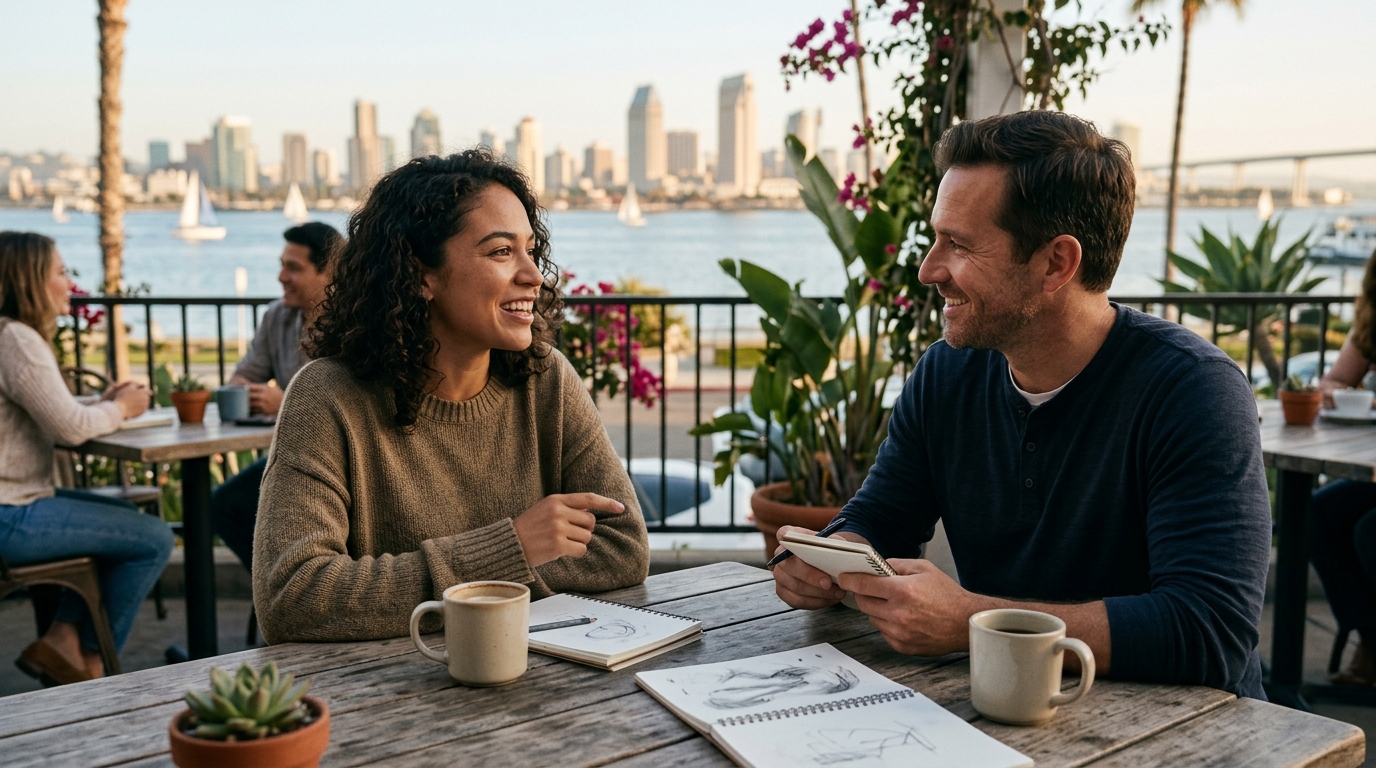
San Diego sits just minutes from the Mexican border, making it one of the most bilingual cities in the United States. Whether you want to connect with neighbors, advance your career, or prepare for travel, finding the right beginner Spanish class can make all the difference. But with dozens of schools, apps, and tutoring platforms competing for your attention, how do you choose? This guide breaks down the best beginner-friendly Spanish class formats available in San Diego so you can start speaking with confidence, not confusion.
Why San Diego Is the Perfect Place to Learn Spanish
San Diego is a multicultural city where Spanish is woven into daily life. From Barrio Logan's vibrant murals to Old Town's historic plazas, opportunities to practice surround you. Employers across healthcare, education, tourism, and tech actively seek bilingual talent, giving Spanish learners a genuine career advantage.
According to the U.S. Census Bureau, roughly 28% of San Diego County residents speak Spanish at home. That means every grocery run, coffee order, or neighborhood chat is a potential practice session once you have the basics down.
Types of Beginner Spanish Classes Available
Small-Group Conversation Classes
A small-group class is a learning format that typically seats three to six students with one instructor. These classes balance affordability with personal attention. At Pura Buena Onda's small-group program, beginners start speaking from day one in 90-minute sessions designed around real-life topics.
Private and Semi-Private Lessons
A private lesson is a one-on-one session tailored entirely to the student's goals and pace. If you are preparing for a specific trip or professional need, private Spanish classes let you zero in on exactly what matters. Semi-private classes offer the same personalized feel with a learning partner you already know.
Community College Courses
Institutions like San Diego Mesa College and San Diego City College offer semester-length Spanish courses that count toward transfer credits. These are ideal if you want academic structure, but they move at a fixed pace and may not prioritize speaking practice.
Conversational vs. Traditional Spanish Classes
A conversational Spanish class is a method that prioritizes spoken communication over textbook drills. Traditional classes often focus on grammar rules, verb conjugation charts, and written exercises. While that foundation has value, many students spend years studying without ever holding a real conversation.
Schools like Pura Buena Onda were built around a different philosophy: you learn to speak by actually speaking. Their FAQ page explains that beginner students have their first real conversation on day one, not after memorizing hundreds of vocabulary words. The topics are personal and relevant, covering your job, your weekend, and your life rather than scripted textbook dialogues.
What to Look for in a Beginner Spanish Class
Not every class is a fit for every learner. Here are the factors that matter most when you are just getting started:
- Speaking time per student: Smaller classes mean more opportunities to talk.
- Instructor background: Native-speaking teachers with formal training provide accurate pronunciation models and cultural context. Check out Pura Buena Onda's teaching team for an example of a diverse, qualified roster.
- Schedule flexibility: Monthly memberships and flexible scheduling options let you learn consistently without rigid semester commitments.
- Method clarity: Ask schools to explain exactly how they teach beginners. Vague answers are a red flag.
- Community and culture: Language sticks when it connects to real experiences. Look for schools that offer social events, challenges, or immersion activities.
Beginner Spanish Class Comparison Table
| Feature | Small-Group Conversational | Private Lessons | Community College | Language Apps |
|---|---|---|---|---|
| Class Size | 3-6 students | 1 student | 20-35 students | Solo |
| Speaking Practice | High | Very High | Low-Moderate | Minimal |
| Schedule Flexibility | High (monthly membership) | Very High | Fixed semester | Anytime |
| Cultural Immersion | Yes (events, community) | Instructor-dependent | Limited | None |
| Cost Range | $$ | $$$ | $ (with tuition) | $ or Free |
| Best For | Social learners wanting conversation | Specific goals or shy learners | Academic credit seekers | Supplement only |
How Pura Buena Onda Gets Beginners Speaking Fast
Pura Buena Onda has been perfecting conversational Spanish instruction since 2007. Based in San Diego with all classes held online via Zoom, PBO serves students locally and nationwide. Their approach rejects textbook memorization in favor of real conversation from the very first class.
Beginners can choose from three formats: small-group classes, semi-private sessions, or private one-on-one lessons. Group classes include a short daily homework assignment (about 10 to 15 minutes) that reinforces what you practiced in conversation. Monthly memberships offer up to 4, 6, or 8 classes per month, and students manage their own schedules online.
The school also runs creative programs like the 30-for-30-in-30 Spanish Challenge and specialty courses covering tricky topics like ser vs. estar and the subjunctive mood. These extras keep learning fresh long after you leave the beginner stage.
Key Takeaways
- San Diego's bilingual culture creates daily opportunities to practice Spanish outside the classroom.
- Conversational classes that prioritize speaking from day one help beginners build confidence faster than textbook-heavy courses.
- Small-group formats (3-6 students) offer the best balance of affordability and personal speaking time.
- Private lessons are ideal for students with specific goals, extreme shyness, or accelerated timelines.
- Flexible monthly memberships beat rigid semester schedules for busy adult learners.
- Pura Buena Onda has taught conversational Spanish since 2007, offering group, semi-private, and private formats online.
- Supplement any class with cultural immersion, challenges, and consistent daily practice for the fastest results.
Frequently Asked Questions
What is the best type of Spanish class for a complete beginner?
For most beginners, a small-group conversational class is the best starting point. You get real speaking practice, peer motivation, and instructor feedback without the higher cost of private lessons. At Pura Buena Onda, group classes are designed specifically for students with zero to minimal Spanish knowledge.
How long does it take to become conversational in Spanish?
With consistent practice (two to three classes per week plus daily review), many students can hold basic conversations within three to six months. The U.S. Foreign Service Institute estimates that English speakers need roughly 600 to 750 class hours to reach professional proficiency in Spanish.
Are online Spanish classes as effective as in-person ones?
Yes, when the class is interactive and conversation-focused. Pura Buena Onda holds all classes on Zoom and students consistently report that the format feels personal and engaging. The key is small class sizes and a strong instructor, not the medium.
Do I need to take a placement test before starting?
If you are a true beginner (A1 level), most schools let you jump right in. At Pura Buena Onda, A1 students do not need an assessment. If you have some prior knowledge, you can schedule a level assessment to find the right class.
How much do beginner Spanish classes cost in San Diego?
Costs vary widely. Community college courses may run a few hundred dollars per semester. Private language schools typically charge monthly membership fees that range from around $100 to $300+ depending on class frequency and format. Check Pura Buena Onda's rates page for current pricing details.
Can I learn Spanish just from an app like Duolingo?
Apps are useful supplements for vocabulary and grammar drills, but they cannot replace live conversation with a real instructor and classmates. Speaking fluency requires practicing with other people, receiving real-time corrections, and navigating unscripted dialogue.
What makes conversational Spanish different from traditional classes?
Traditional classes emphasize textbook exercises, written grammar, and memorization. Conversational classes focus on getting you to speak from the start using real-life topics. The goal is to construct your own sentences about your own life, not repeat scripted phrases.
Does Pura Buena Onda offer in-person classes in San Diego?
Pura Buena Onda's classes are currently held online via Zoom on Pacific Time. However, the school hosts in-person social events in San Diego for its student community. Visit the about page or contact PBO directly for the latest details.
Start Your Spanish Journey Today
Ready to stop studying Spanish and start speaking it? Pura Buena Onda's beginner classes are built for people exactly like you. No textbooks, no judgment, just real conversation from day one. Sign up for your first class and see why students compare it to happy hour with friends.